How Much Does an App Cost in Switzerland?
Transparent budget brackets, architecture cost drivers, and realistic benchmarks for corporate and B2B apps — authored by Swiss software architects.

App Development Costs at a Glance (2026)
| Project Tier | Typical Feature Scope | Estimated Cost (CHF) |
|---|---|---|
| MVP & Standalone App | Lean corporate app, user authentication, customer master data, service requests, and push alerts. | CHF 25,000 – 35,000 |
| B2B App with ERP Integration | Connector to Abacus, Bexio, or SAP, offline data synchronization, role-based access, barcode scanning, web management dashboard. | CHF 37,000 – 55,000 |
| Enterprise & GPS Telemetry Platform | Real-time tracking, Bluetooth/hardware sensors, fleet telemetry, high-throughput cloud backend, dedicated SLA. | From CHF 60,000 |
All benchmark figures are non-binding estimates in Swiss Francs (CHF) excluding 8.1% Swiss VAT.
The 5 Core Factors Influencing Development Costs
1. Platform Architecture (Native vs. Cross-Platform)
Maintaining separate codebases in Swift (iOS) and Kotlin (Android) roughly doubles frontend engineering effort. Modern cross-platform frameworks share business logic while maintaining native performance, saving up to 40% in build costs.
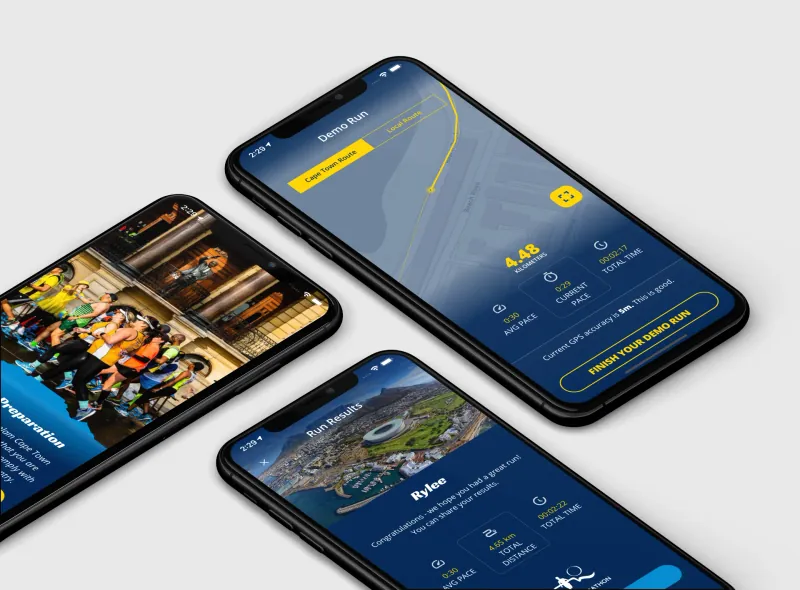
2. ERP & Backend Integrations
Standalone apps are simple, but enterprise value stems from connecting to existing systems. Integrating Swiss ERP platforms like Abacus, Bexio, or SAP requires reliable two-way syncing, error queues, and enterprise auth.
3. Offline Architecture & Local Sync
Field workers in basements, railway tunnels, or remote terrain require offline operation. Architecting offline SQLite caches with automated background conflict resolution adds architecture complexity.

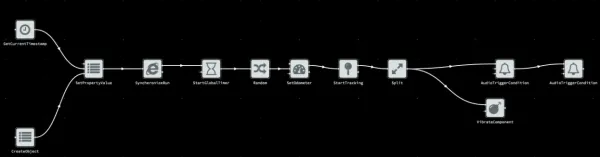
4. Background Telemetry & GPS Tracking
Continuous GPS tracking, geofencing, and sensor pairing demand strict compliance with iOS and Android background execution policies to prevent device throttling or app termination.
5. Security & Swiss Data Protection (nDSG)
Swiss business data must comply with strict privacy laws. Swiss cloud hosting, encryption at rest and in transit, and role-based access control are essential for corporate trust.
Agency Pricing Models in the Swiss Market
| Model | Strengths | Risks & Trade-offs | Cost Level |
|---|---|---|---|
| Traditional Swiss Agency | On-site domestic presence, established agency processes. | Substantial hourly rates (CHF 180–260/h), heavy overhead, slow turnaround. | CHF 55,000 – 180,000+ |
| Offshore Freelancers | Low initial hourly rates. | Legal ambiguity, architectural debt, poor documentation, frequent total rewrites. | CHF 10,000 – 30,000 |
| IRTECH Hybrid Engineering | Swiss system architecture, code reviews, and management based in Schaffhausen; lean specialist execution. | Selective project capacity; compact core team without 100-person agency staffing pools; asynchronous, documentation-first collaboration instead of daily on-site meetings. | CHF 25,000 – 75,000 |
Calculate Your Project Budget in Under 2 Minutes
Select your platforms, required system integrations, and expected user scale to receive a realistic cost estimate online.
Frequently Asked Questions
How much does building a professional app cost in Switzerland in 2026?
A professional B2B or corporate app in Switzerland typically begins at CHF 25,000 to CHF 35,000 for a lean MVP. Complex corporate applications with ERP integrations (Abacus, Bexio, SAP) and offline sync fall between CHF 37,000 and CHF 55,000. Large-scale GPS or fleet tracking systems range from CHF 60,000 upward.
What are the main drivers of custom mobile app development costs?
The primary cost drivers include: 1. Platform architecture (native iOS/Android vs. cross-platform), 2. Enterprise integrations (ERP, CRM, REST/GraphQL APIs), 3. Offline-first local data synchronization, 4. Background location telemetry or hardware sensors, and 5. Compliance with the revised Swiss Federal Data Protection Act (nDSG).
What are the typical annual maintenance and hosting costs?
Expect approximately 10–15% of initial build costs per year to cover cloud hosting, API monitoring, operating system compatibility updates (annual iOS and Android releases), and continuous bug fixing.